

INSIDE INDIA 2027
The INSIDE INDIA is an immersive learning experience for executives, innovators and investors who want to understand current business dynamics in India and how it can impact your business.
Our program is designed to provide market insights and inspiration about India’s growing role with manufacturing, supply chains and technology as well as its fast-growing consumer market, all set in a new geopolitical context.
Introduction
We are bringing 25 business leaders and investors to India to gain firsthand insights into its dynamic business environment. This exclusive tour will provide access to boardrooms and factories of some of India's most renowned companies.
Participants will engage with experts, entrepreneurs, and global organizations, experiencing the pulse and momentum of India's thriving economy up close.
It is our clear ambition to expose participants to the opportunity of building long-lasting and resilience businesses in India.
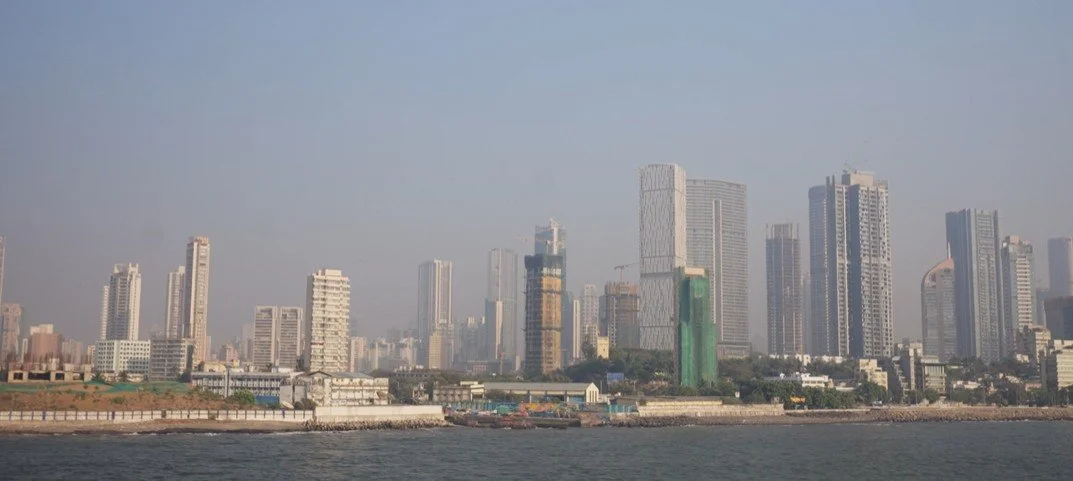
The trip goes to the financial capital of Mumbai and the vibrant tech and startup ecosystem of Bangalore, and will offer curated insights about India’s new role in the global economy.

February 27th – March 5th 2027

Mumbai & Bangalore

6.500 EUR / 48.500 DKK ex. international flight & visa to India

We provide a full-service
program in India
Business leaders, board members, investors and specialists who are seeking an up-to-date understanding about potential growth and new business opportunities in India.
Who should join?
Facilitators
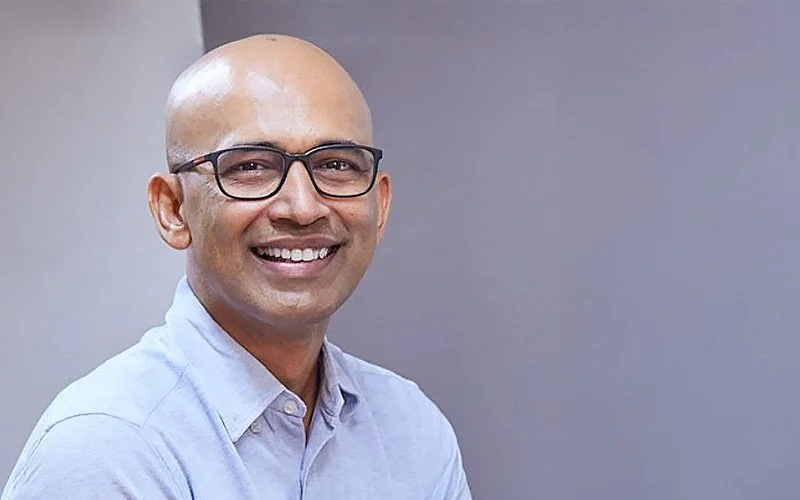
Sanjay Ramakrishnan
Founder & General Partner at Multiply Ventures
Sanjay Ramakrishnan is an experienced venture investor and business leader with over two decades of experience in consumer technology, marketing, and early-stage investing. He holds an engineering degree and an MBA, combining a strong analytical background with strategic and entrepreneurial insight.
His expertise spans consumer behavior, digital transformation, and early-stage investment strategy. He is widely recognized for his deep understanding of the Indian startup landscape and for supporting next-generation entrepreneurs building sustainable, high-impact consumer businesses.
Sanjay brings together rich operating experience in top consumer tech companies and a strong investment perspective through Multiply Ventures. His work bridges entrepreneurship, venture capital, and India’s rapidly evolving digital economy.

Peter Lisbygd
Founder China Experience & Inside India
Peter Lisbygd has been working extensively with China since 2005, when he moved to Shanghai for the first time and founded China Experience.
Since then, he specialized in providing valuable knowledge and insight to educational institutions and decision makers, about the world’s new superpower.
Over the years he planned, led, and facilitated hundreds of learning programs in China and Southeast Asia as well as in the Nordic region, and he is now bringing that experience to the Inside Indian program.
"The combination of India's entrepreneurial spirit and its vast domestic market makes it a key player in global trade."
– Sundar Pichai, CEO, Alphabet Inc. (Google)
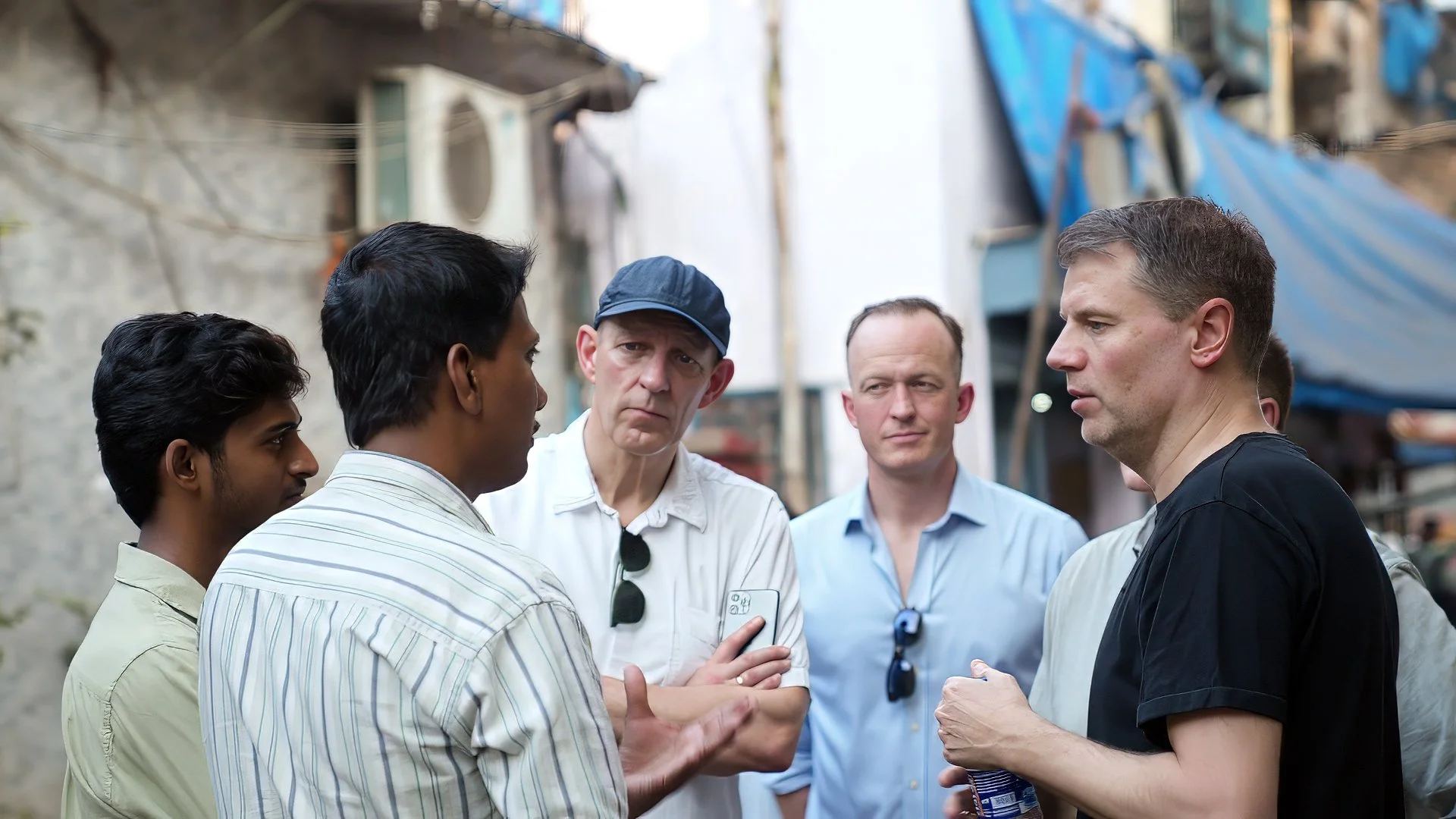
Expect to be surprised and challenged by some of your key assumptions - India is a very diverse and complex civilization.
Expect to discover new opportunities as well as potential uncomfortable truths, and to have a fruitful discussion about the future of business with other executives.
What to expect?

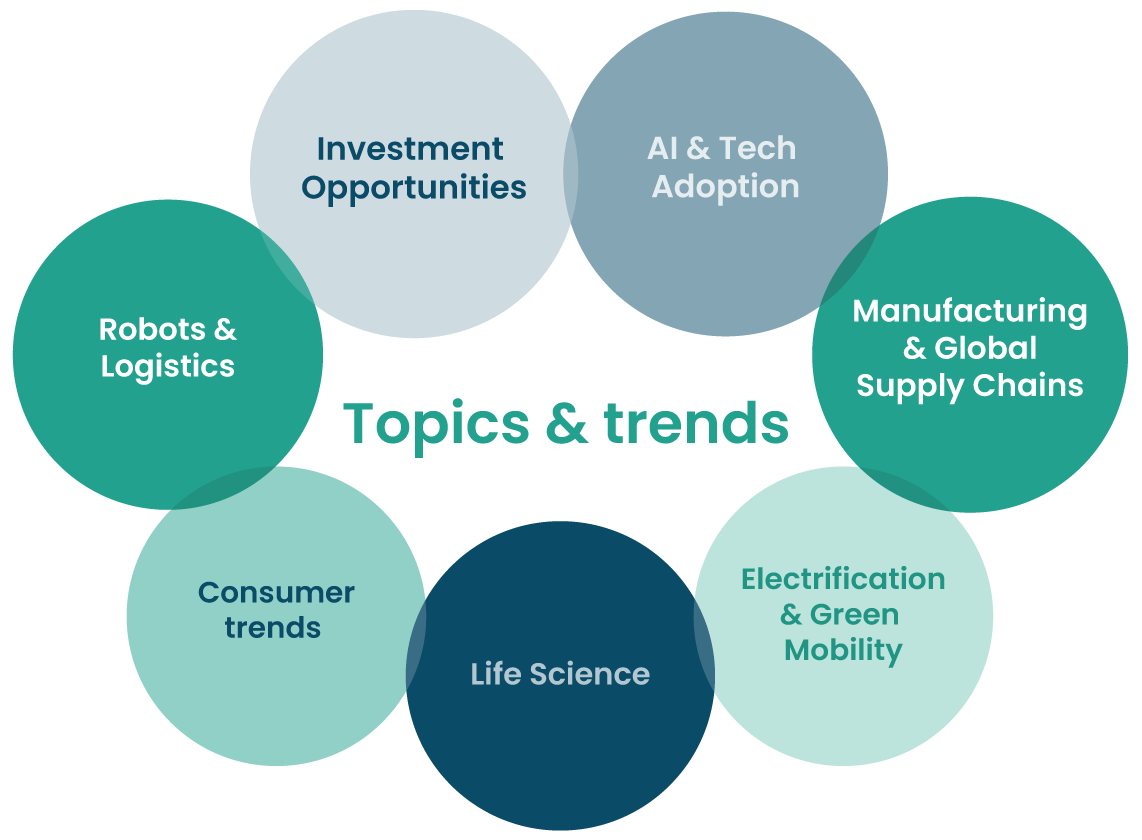
Join to get an outside-in perspective about Indian as an alternative destination for growth and supply chain resilient.
Join to get you own “on the ground” experience and to realize unseen potential about how India can play a role in your future strategy.
Get new insight, inspiration and network that can contribute to better strategic decision making in your organization.
Understand India as a testing ground for applied AI at scale, not just experimentation.
Get an understanding of India's foreign policy incl. its good partnerships with the EU and US.
If "India's economy and business dynamics is like China 10-15 years ago". Join us to get a deep understanding of the key similarities and differences.
Join to understand the often-overlooked opportunities India poses for global business and investment, but also the risks and challenges of doing business in a dynamic and diverse economy with large inequality.
Why join?
Sign up
For more information and reservation please fill out the form and we will get back to you. You can also contact us directly:
Peter Lisbygd
peter@inside-india.com
+45 20 11 42 26
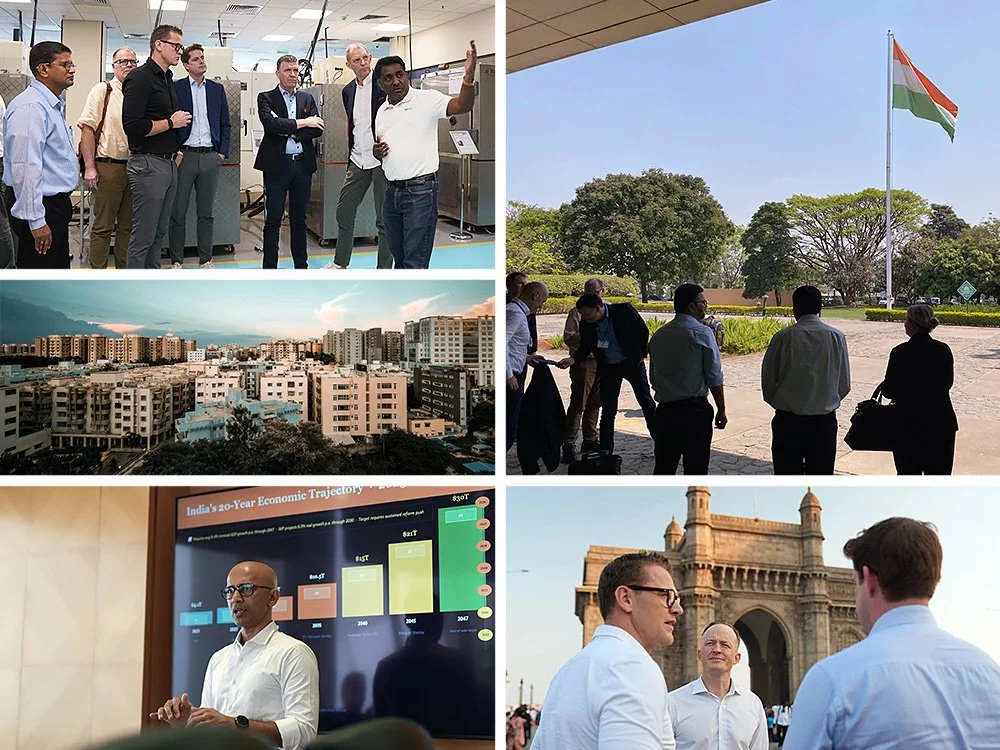
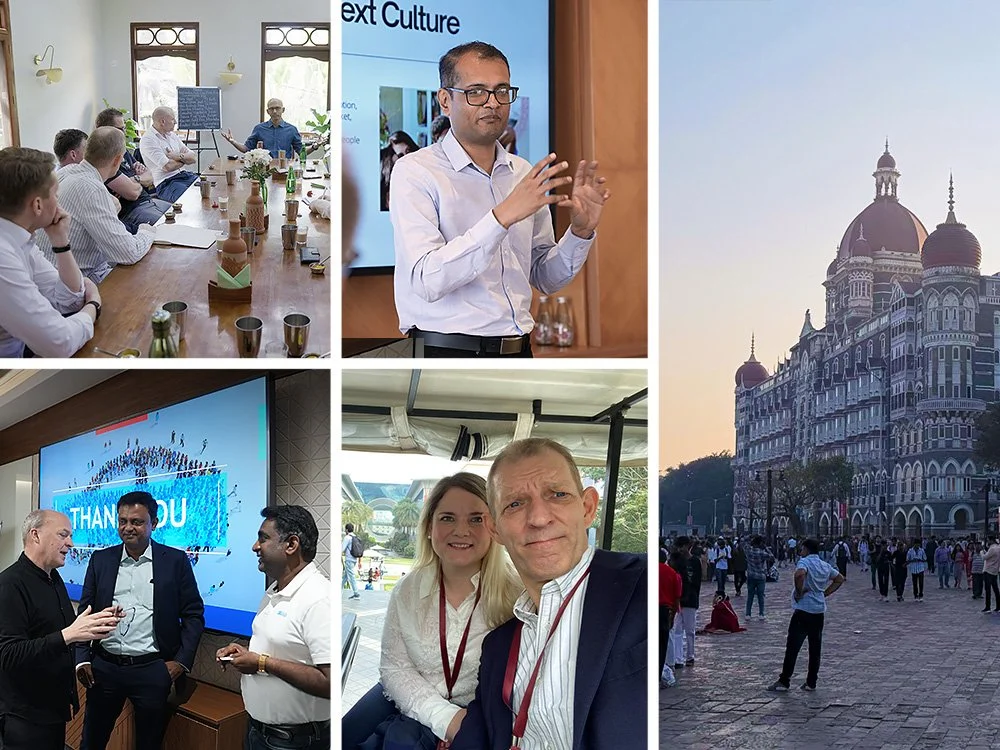
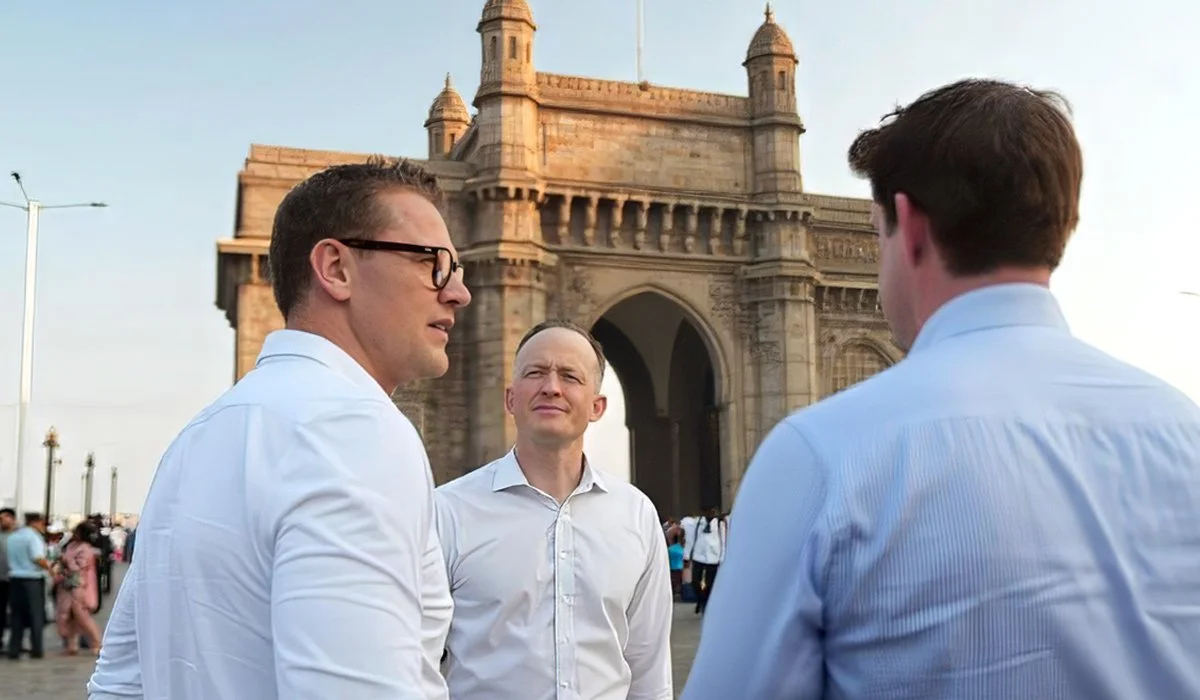
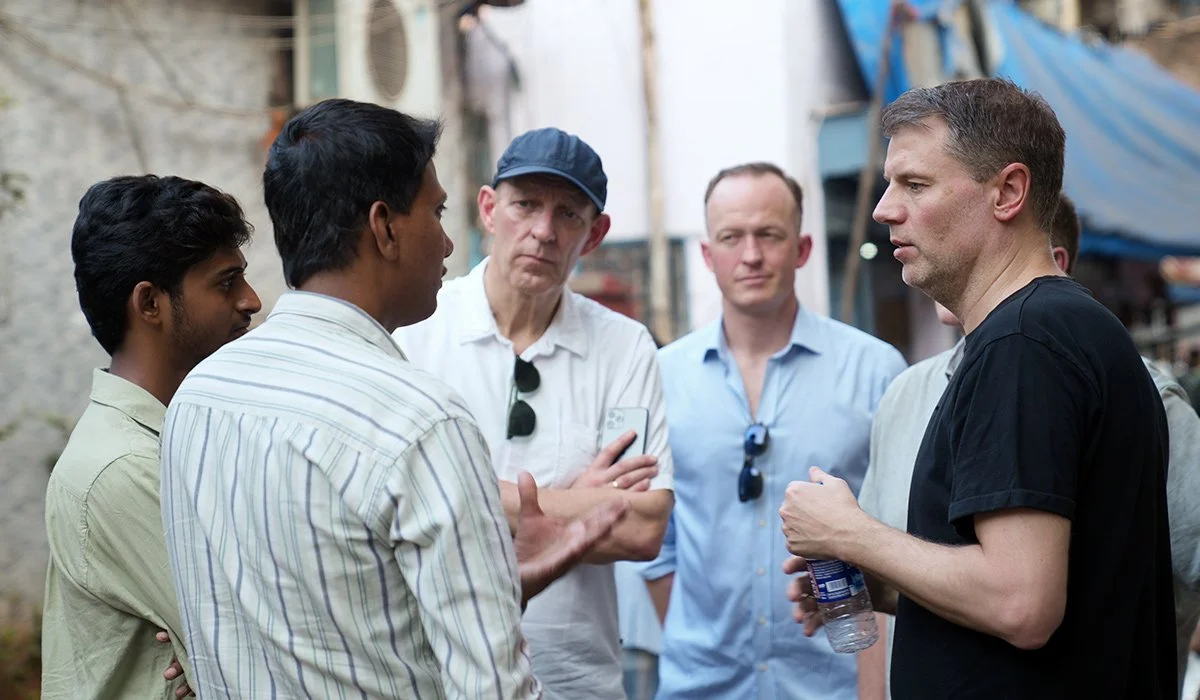
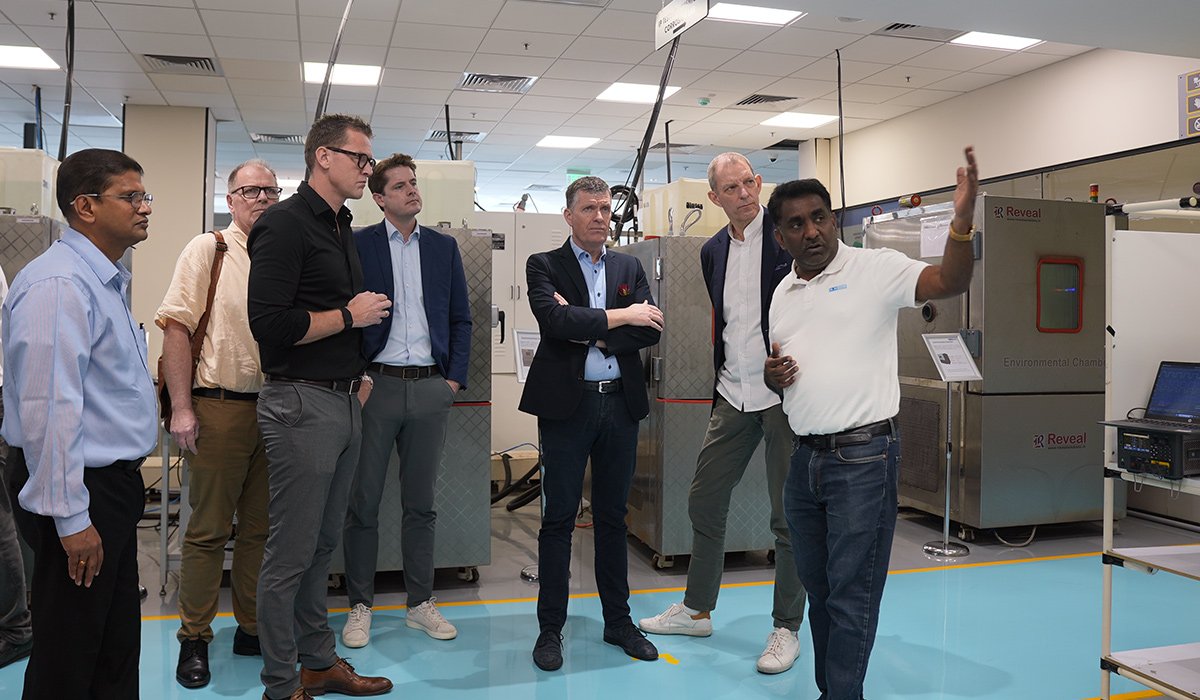
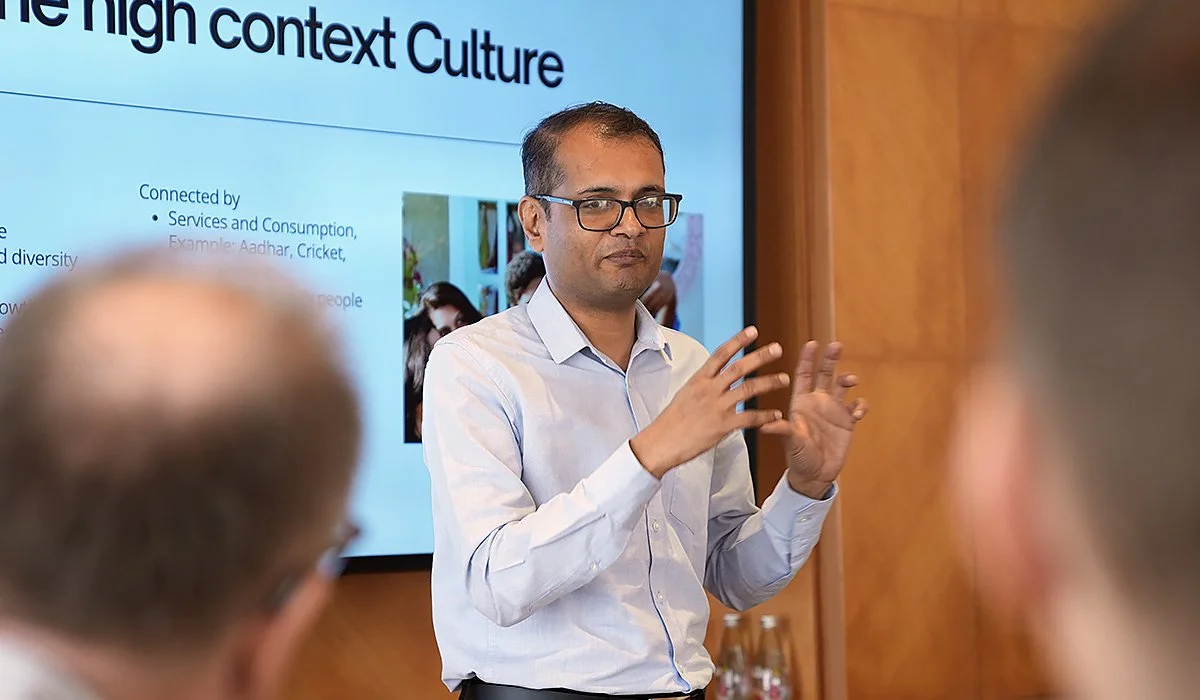
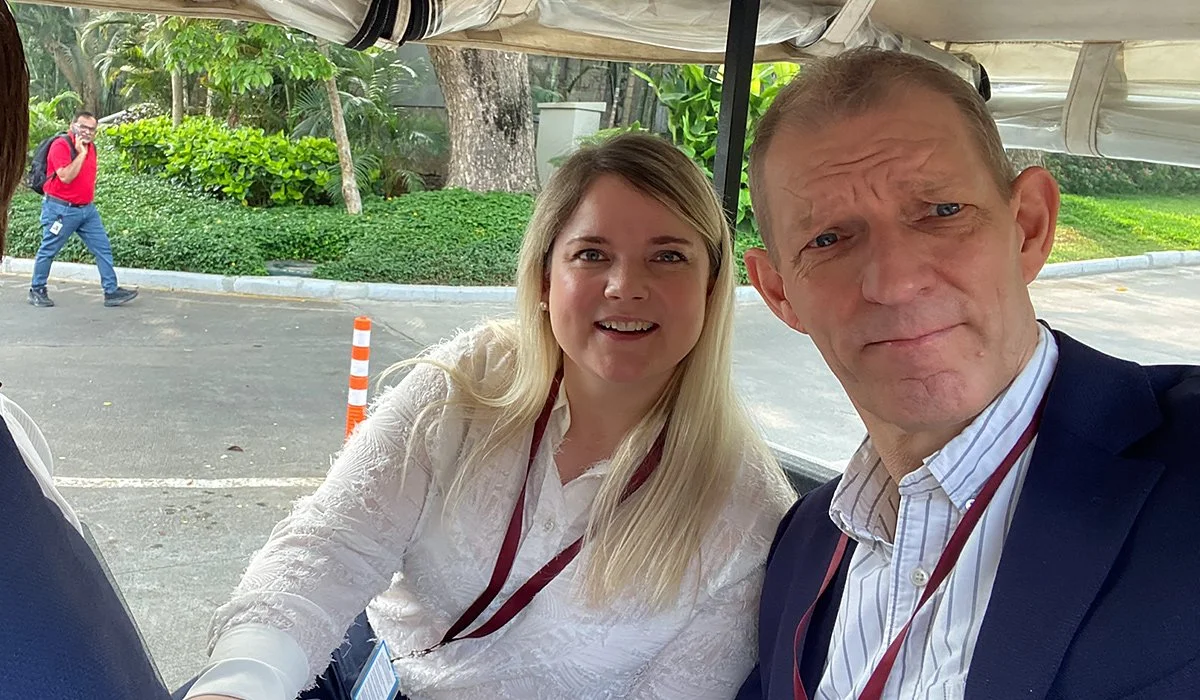
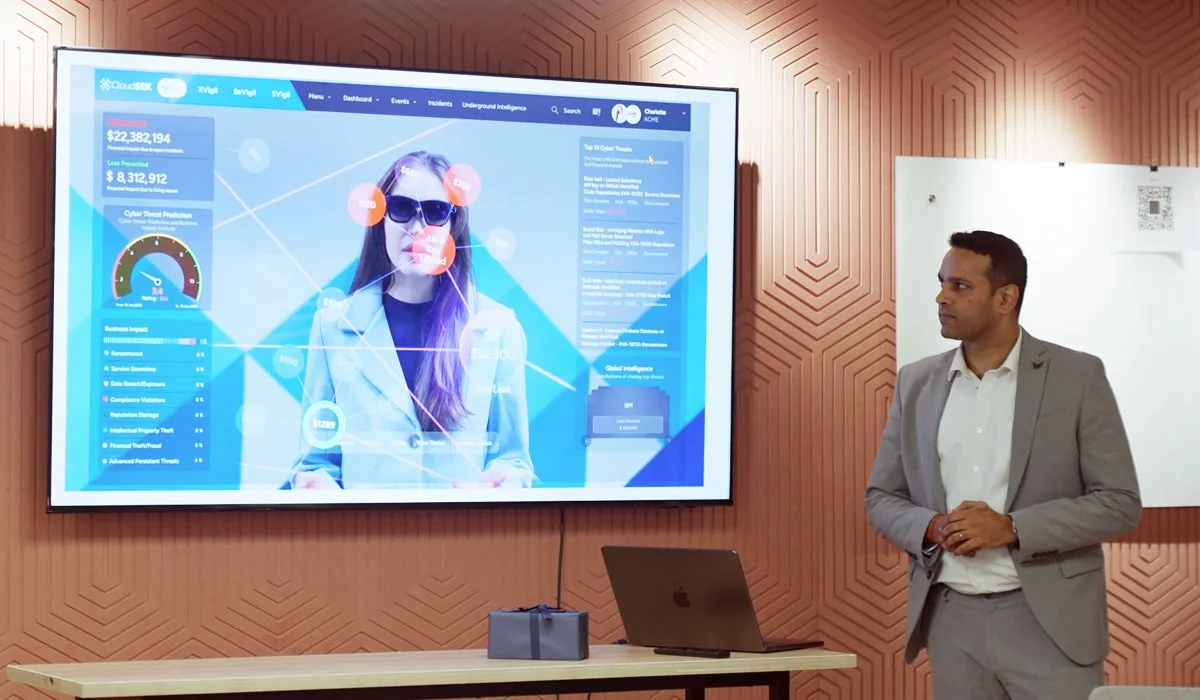
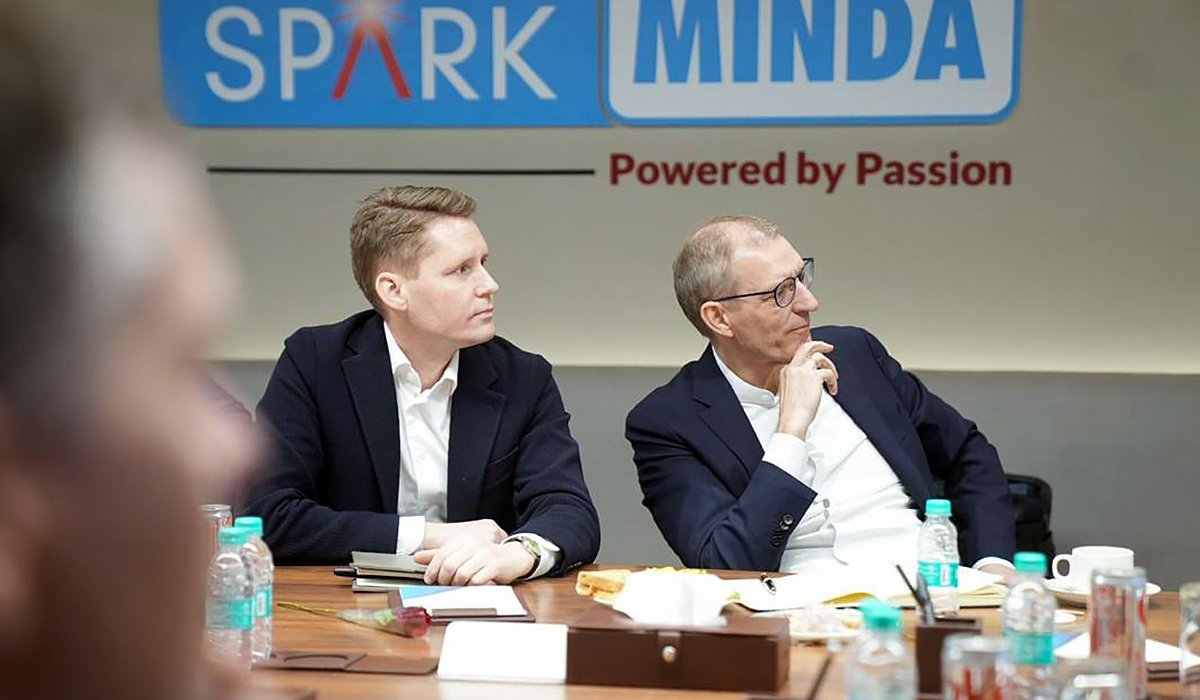
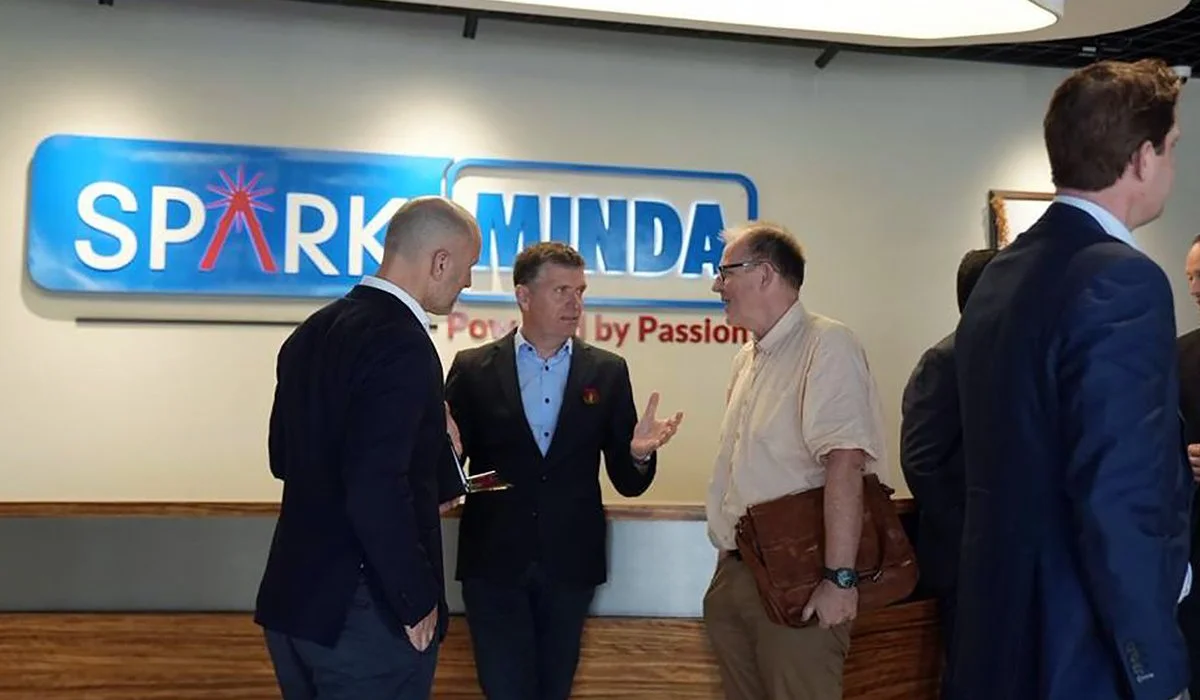
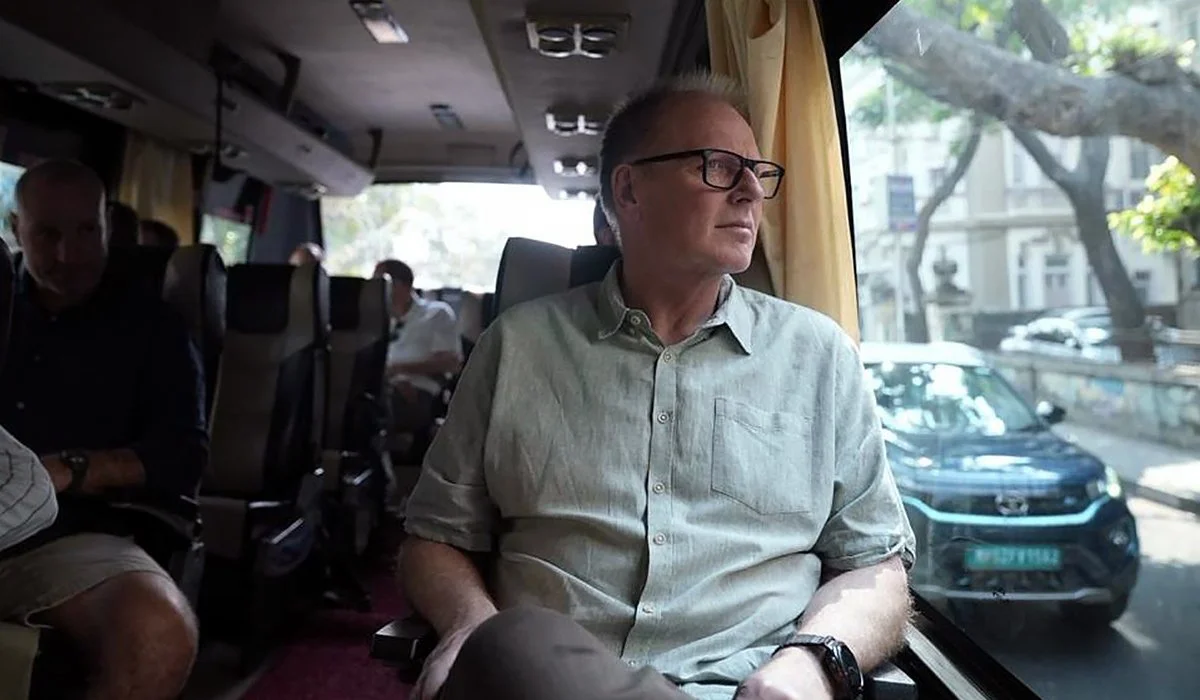
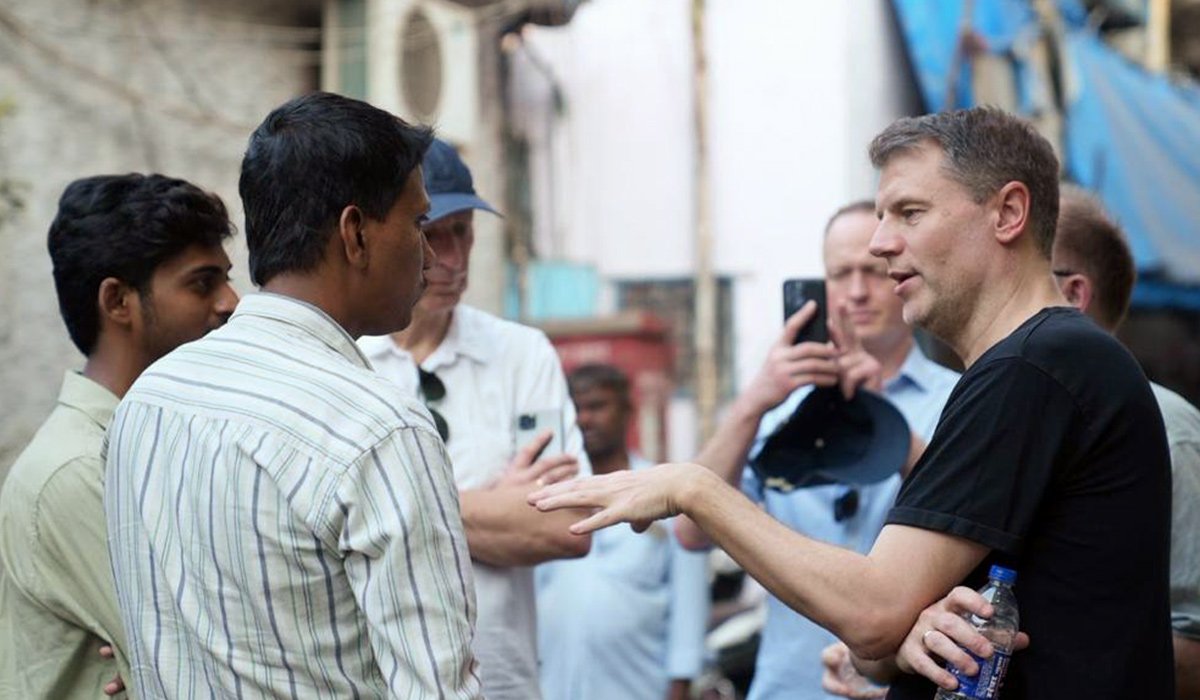
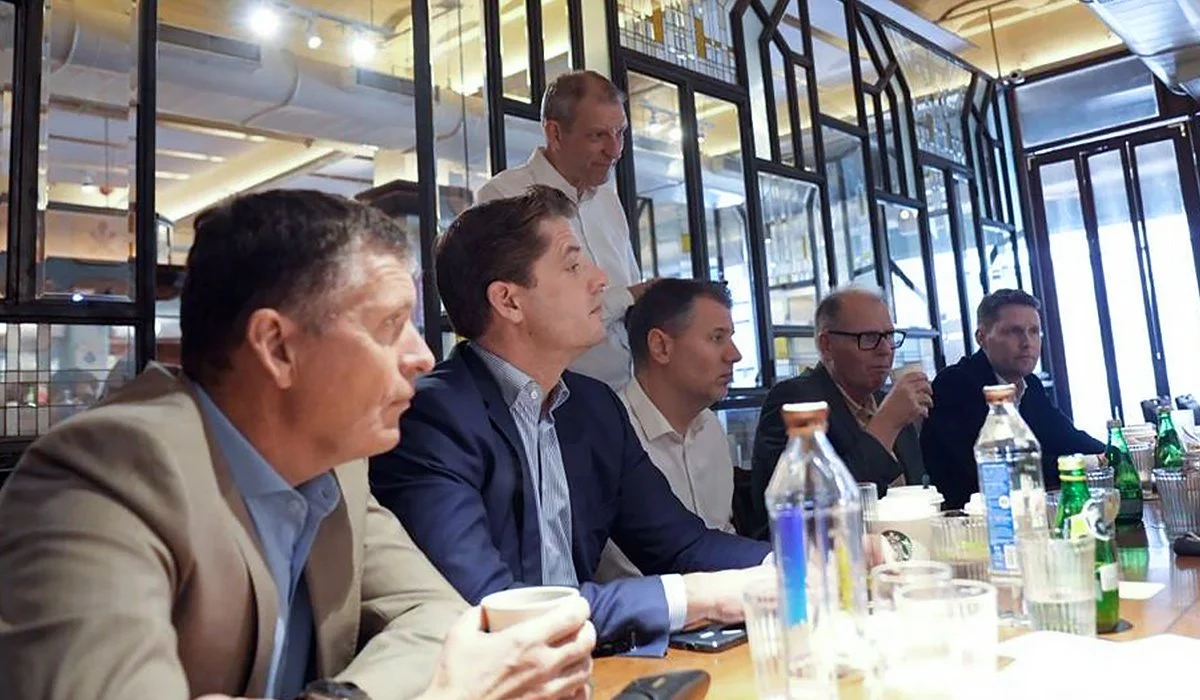
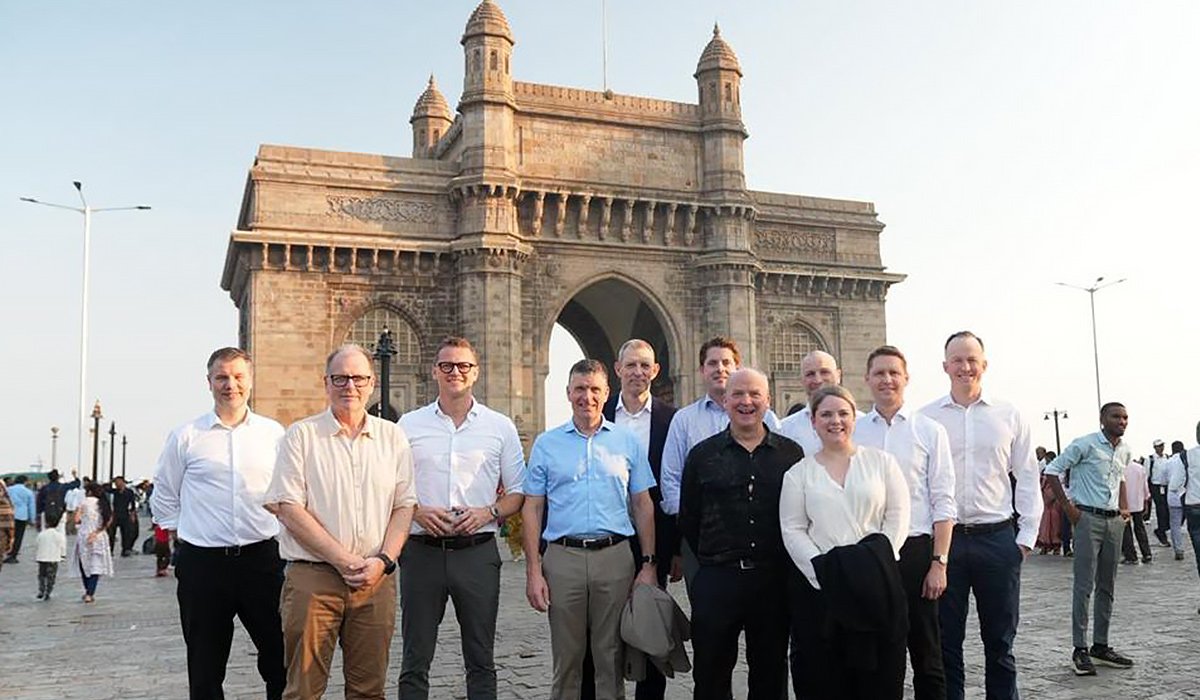
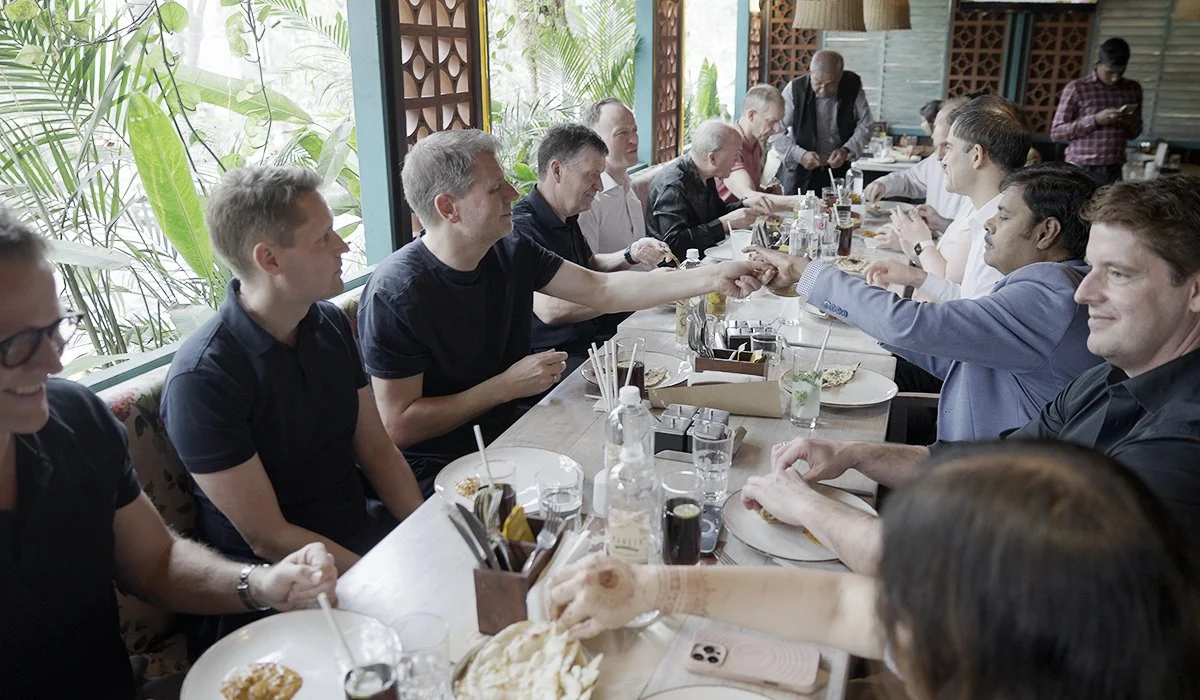
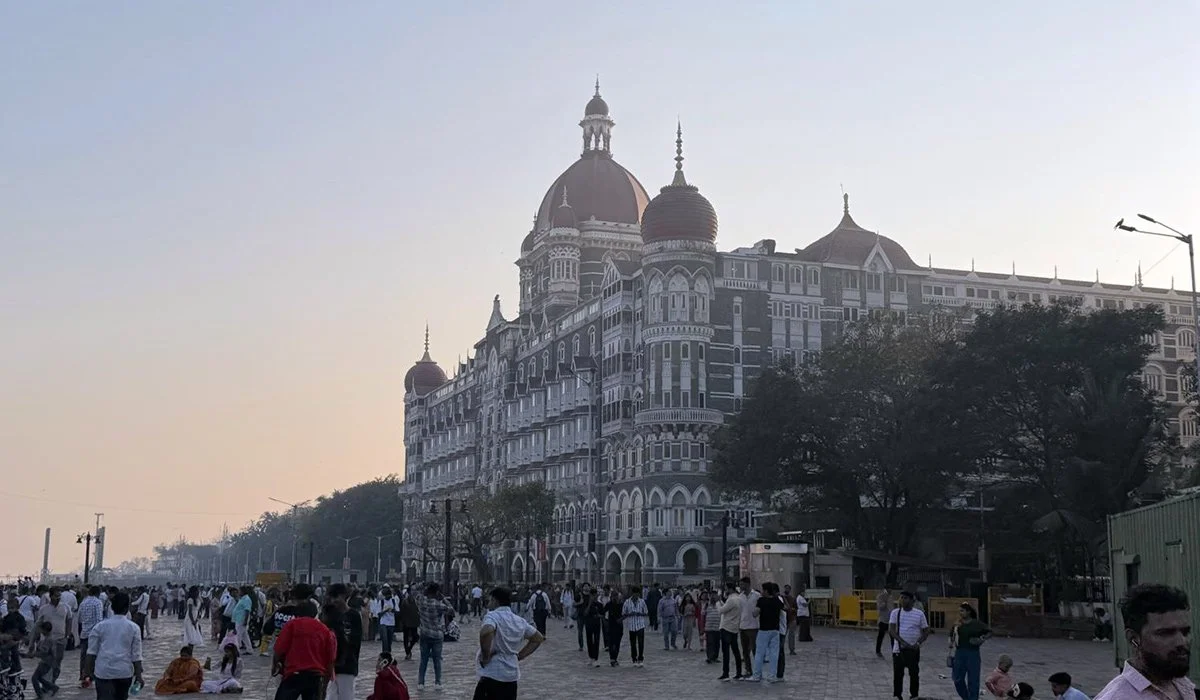
Pictures from previous Inside India programmes
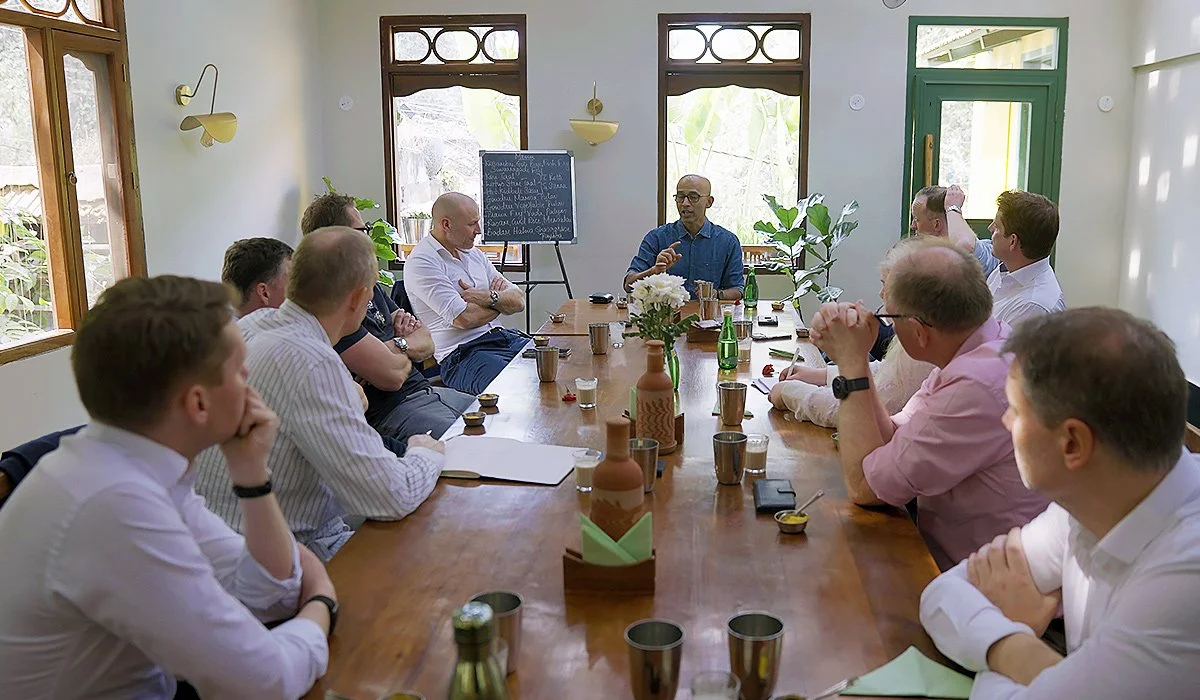
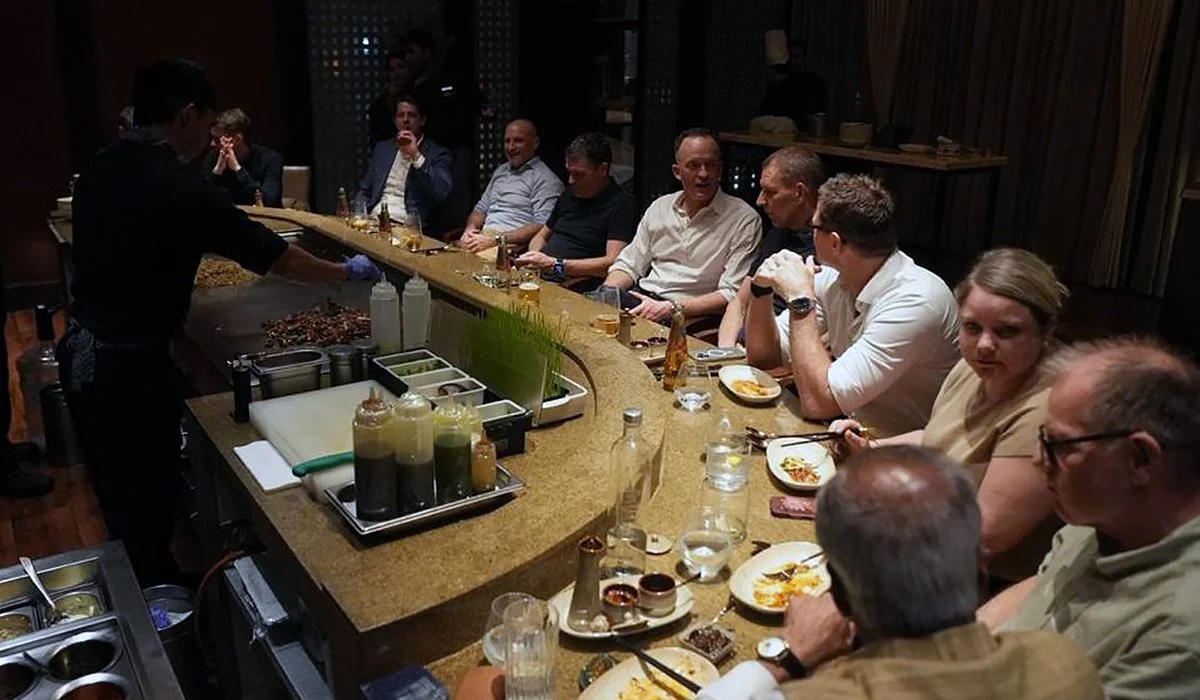
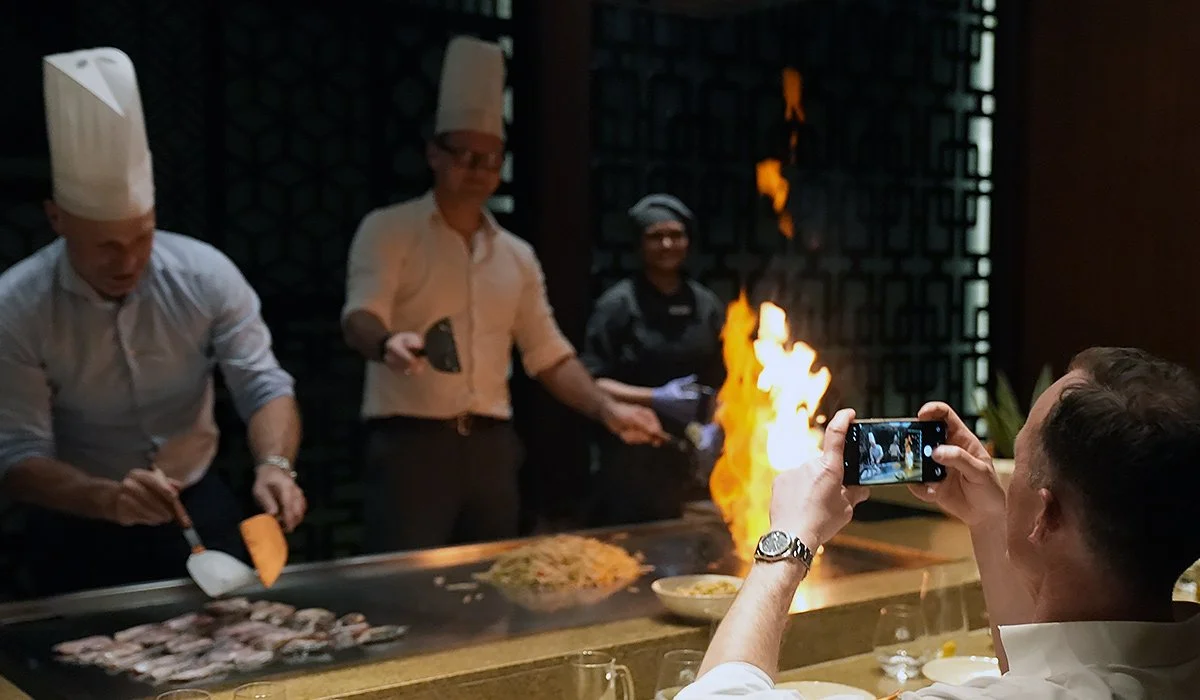
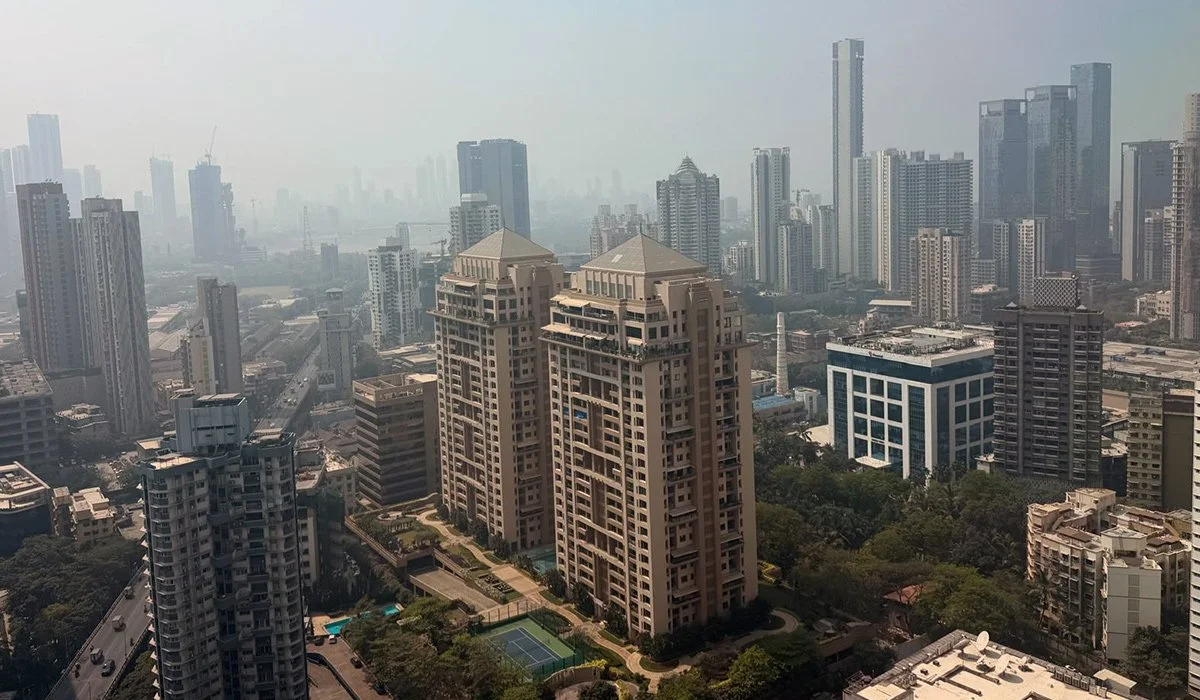
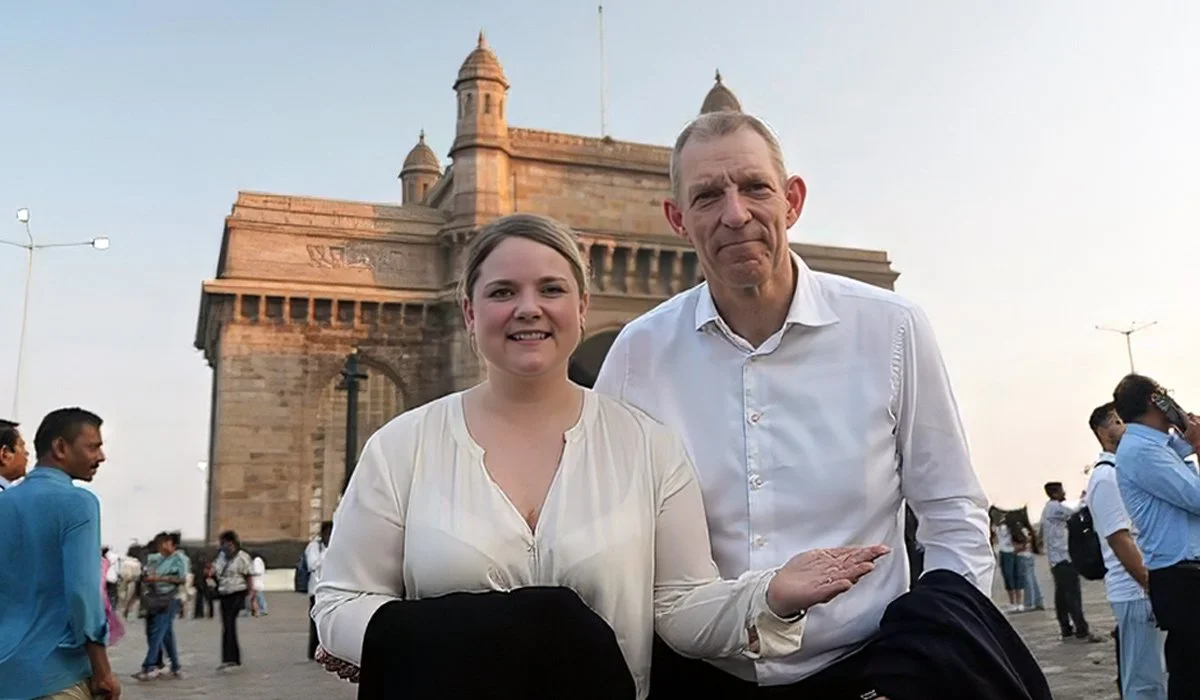
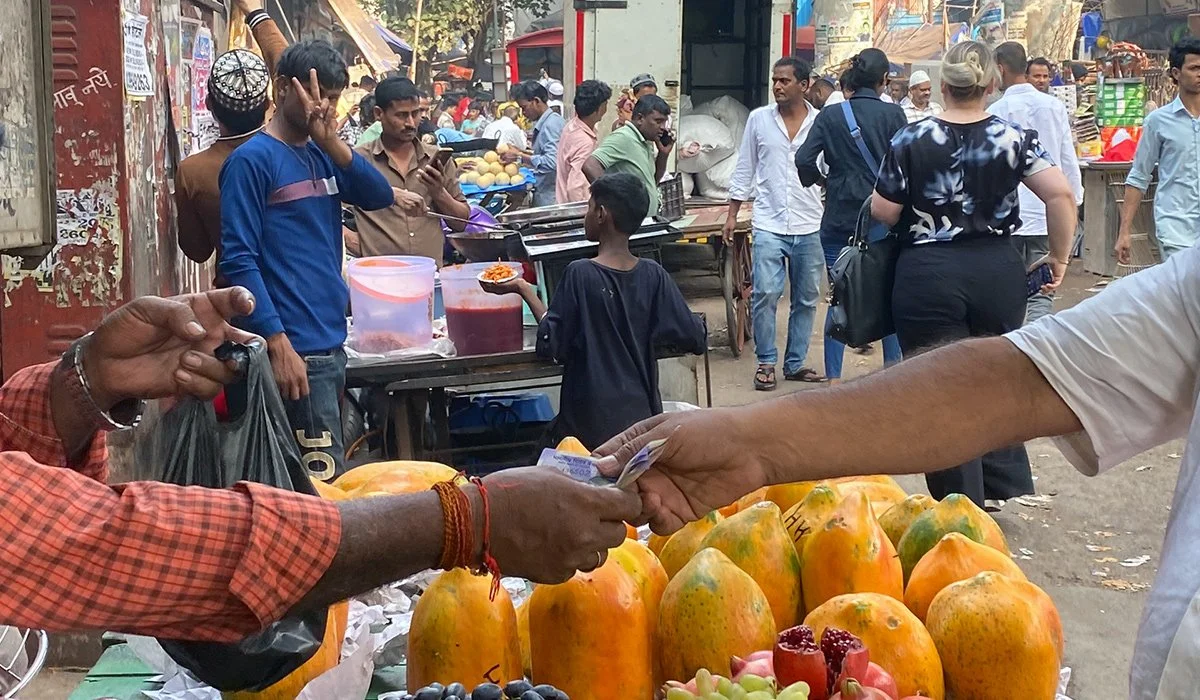
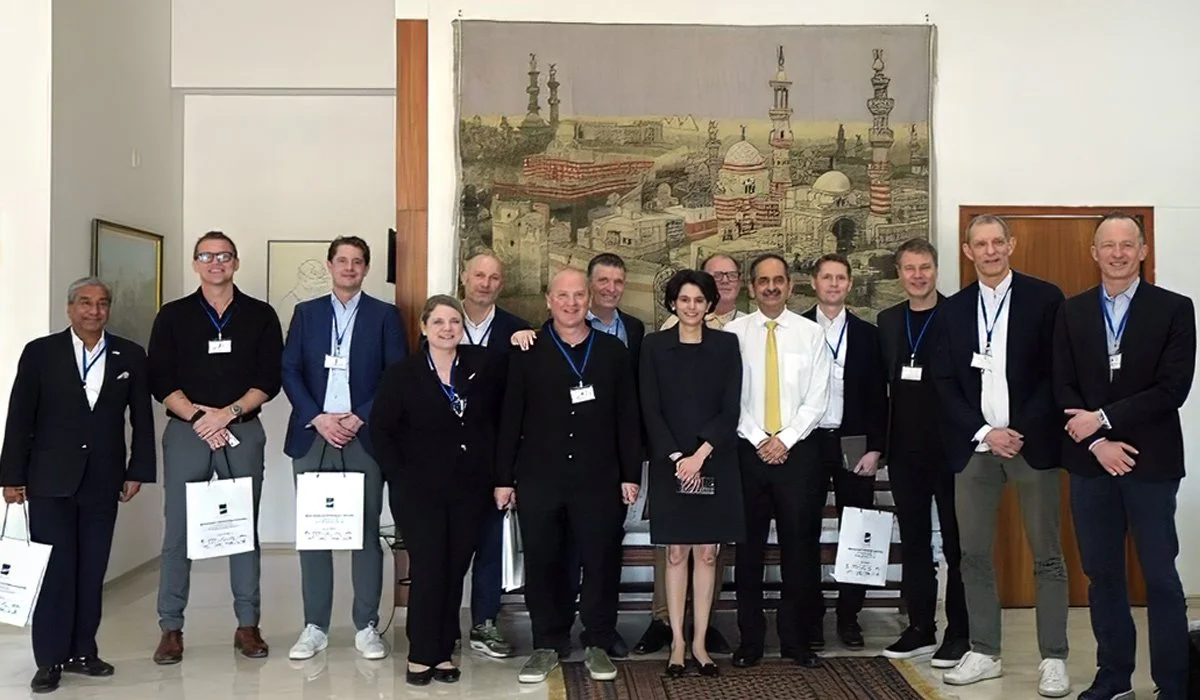
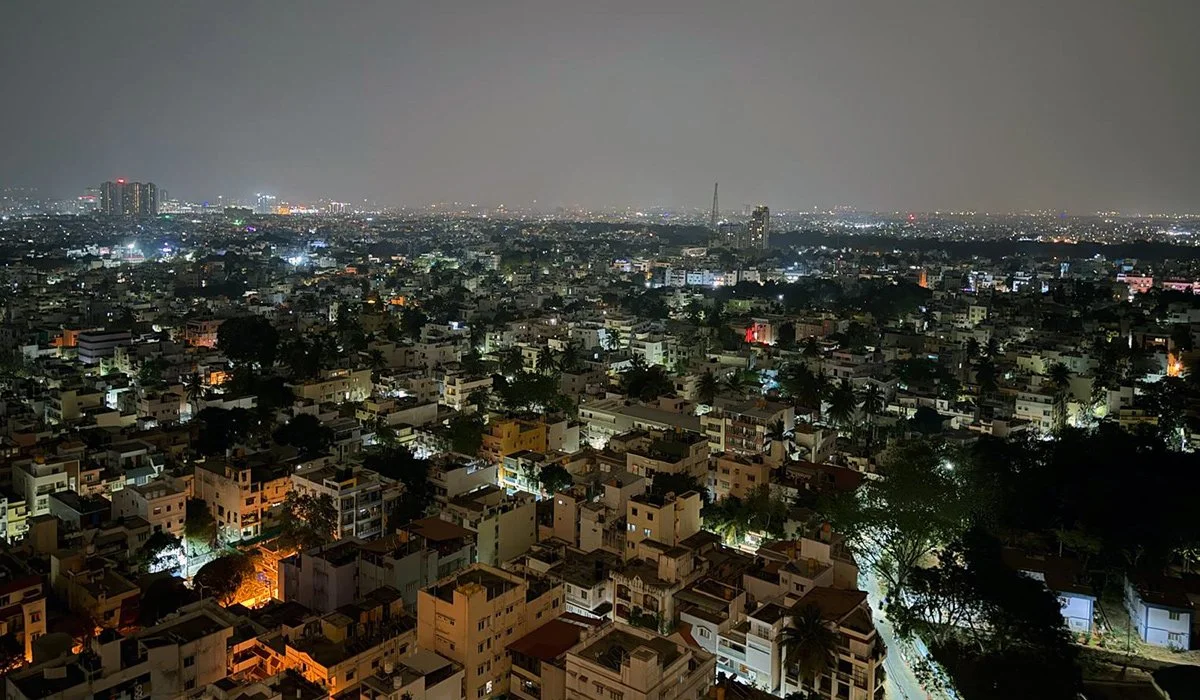
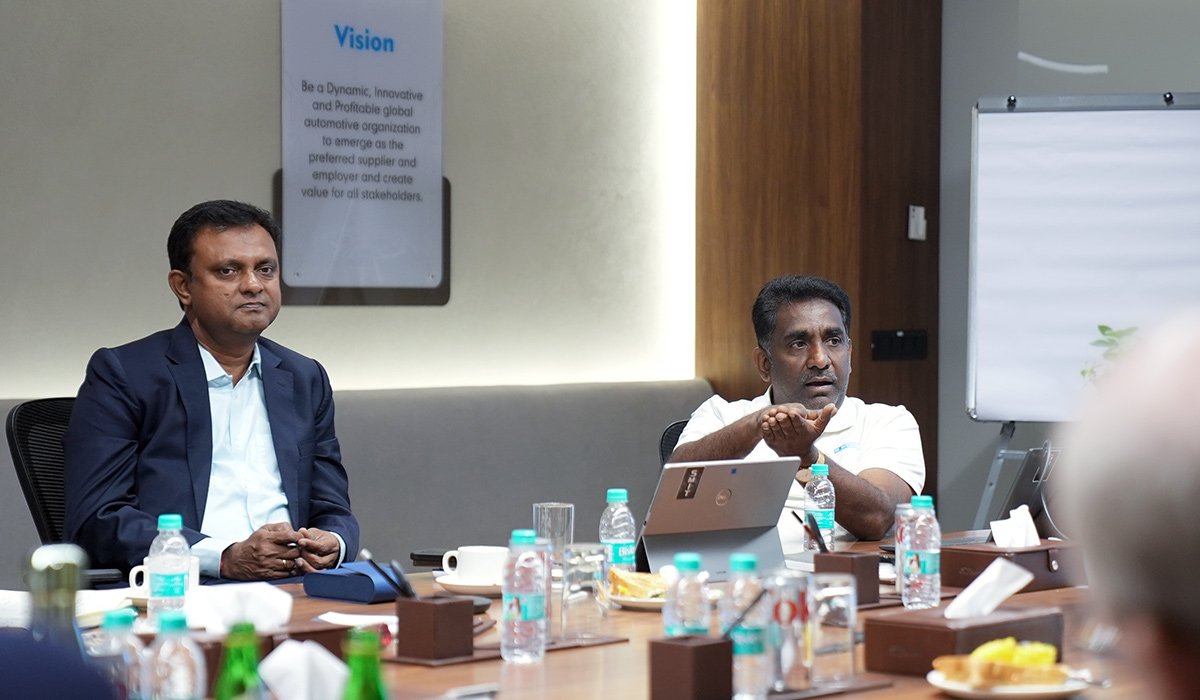
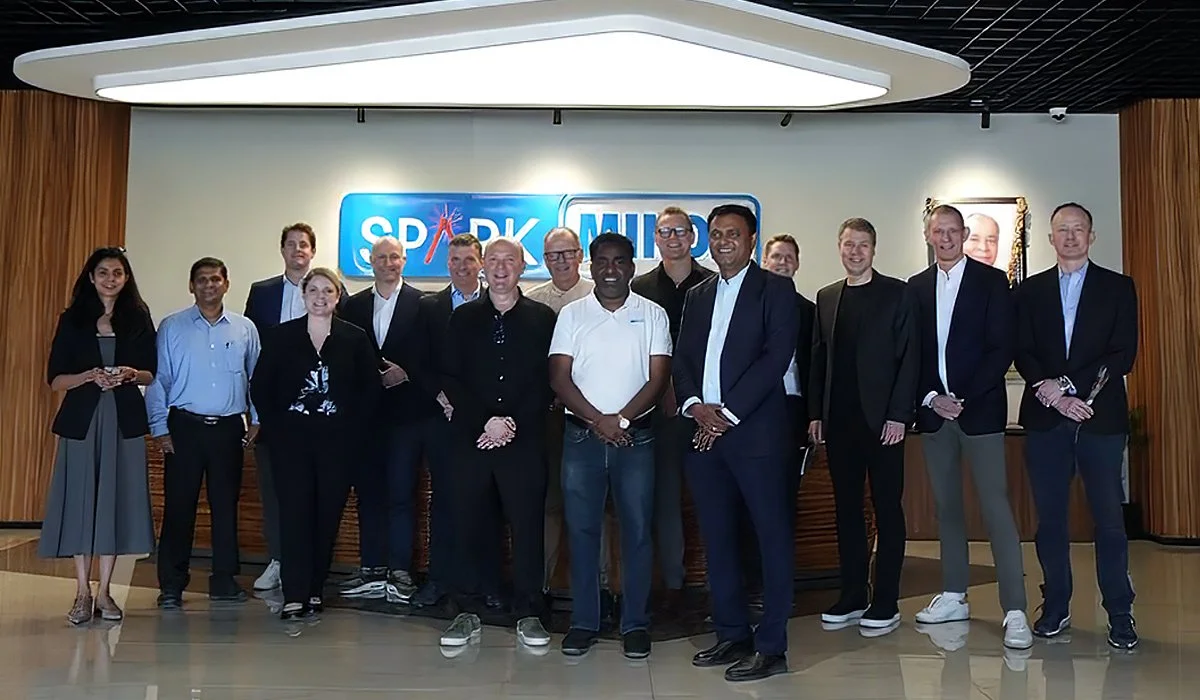
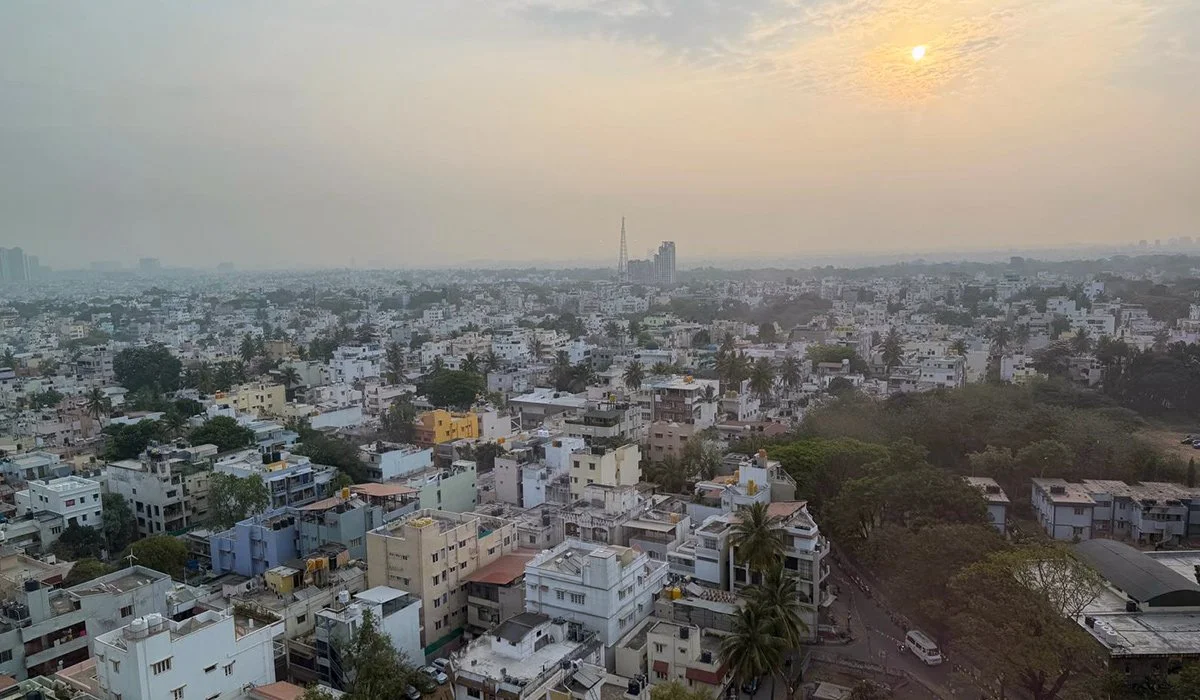
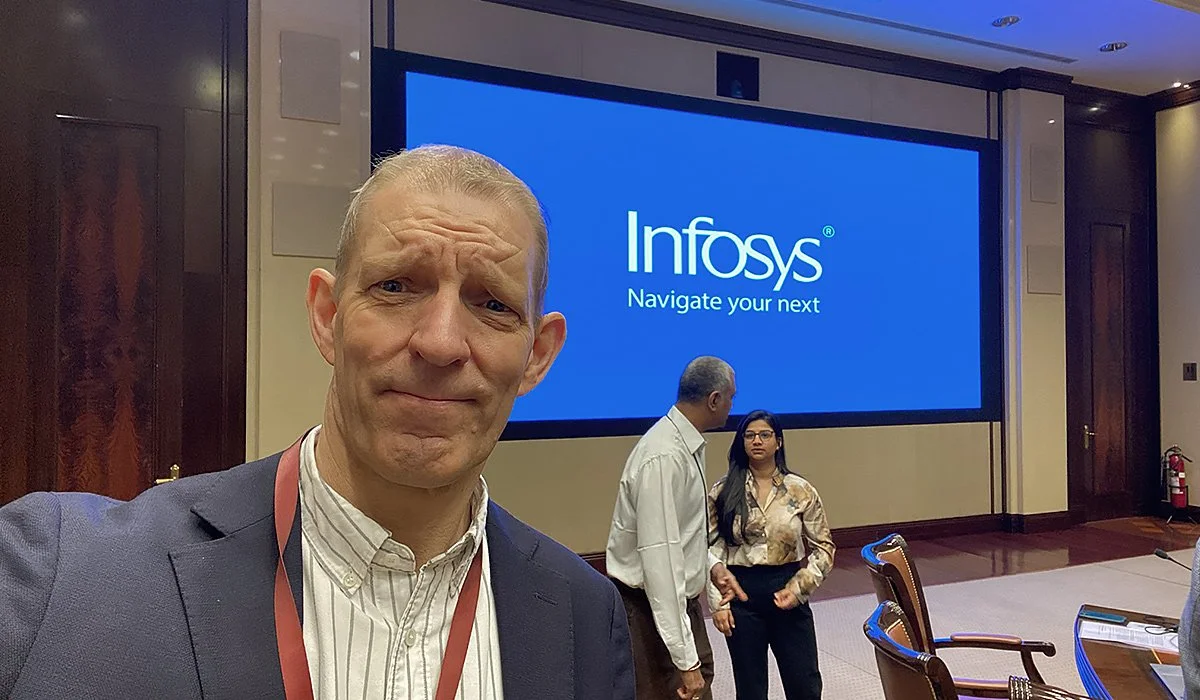
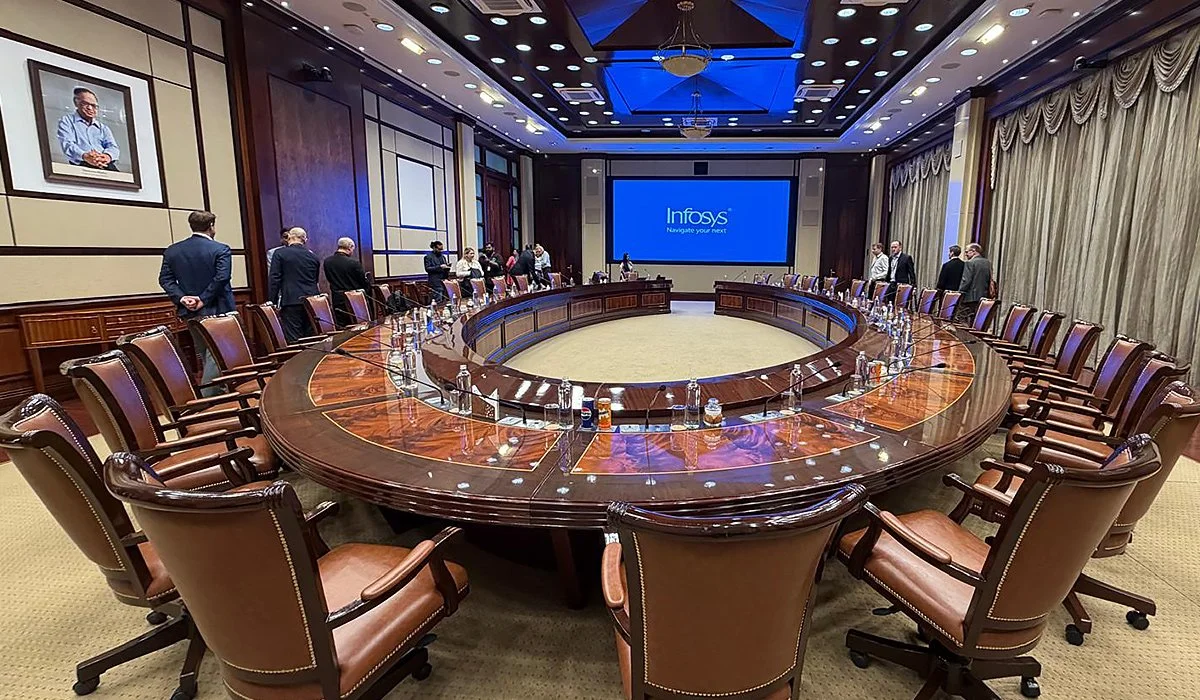
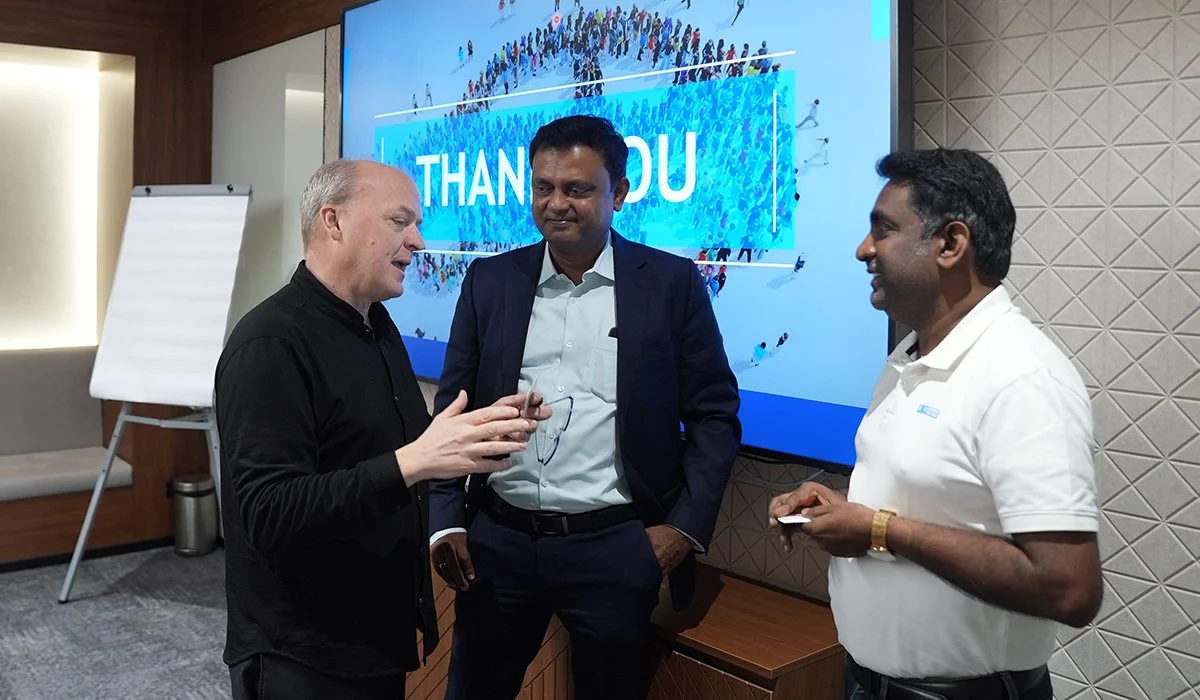
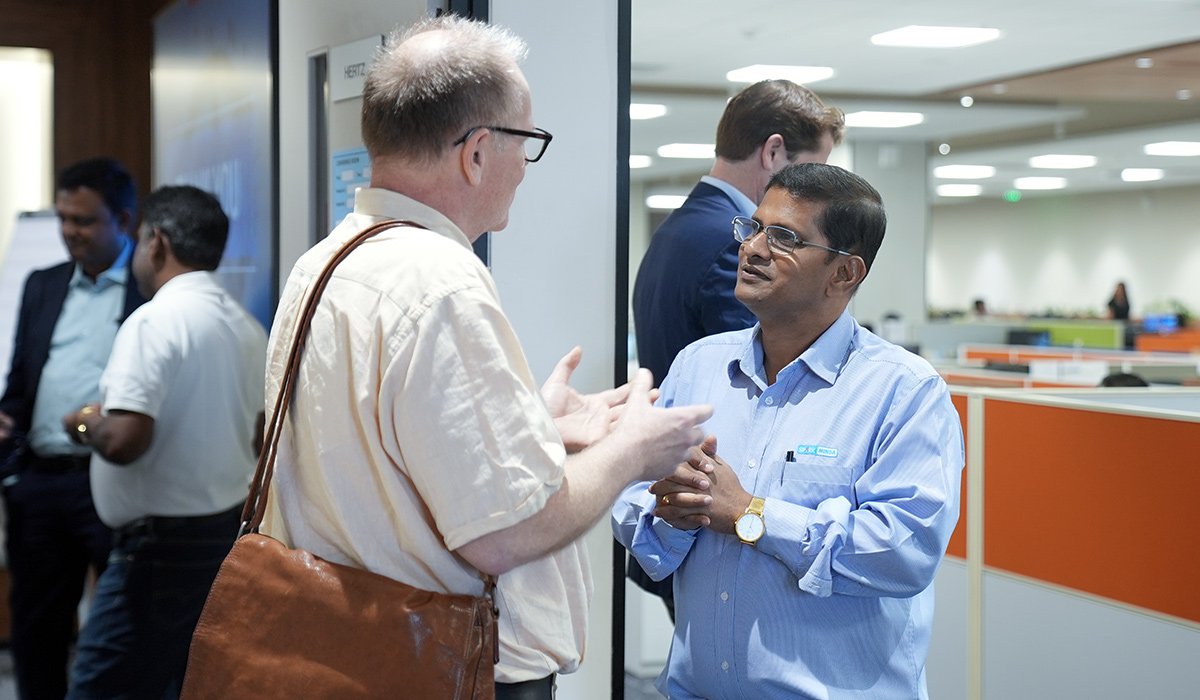
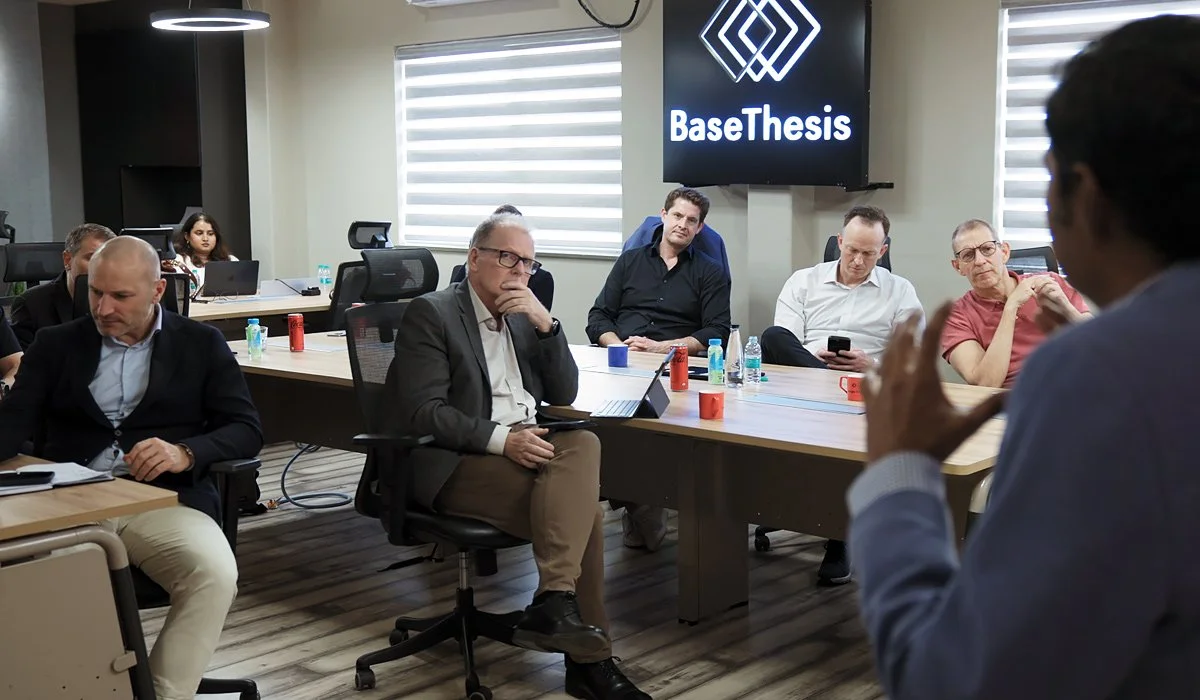
We will engage with companies like















"India's booming middle class and rising disposable incomes are transforming it into a global consumption hub."
– Jim Yong Kim, Former President, World Bank.
Practical information
Full-service
Travelling in India can be challenging, but don’t worry, we offer our usual full-service concept before and during the program. Whether you need help with special travel arrangements or assistance to get something done while en-route, we will be there to assist you.
A visa is required to enter India. We will alert all participants with the required procedure. An online form need to be submitted along with a digital passport-sized photo and a scanned copy of your passport. The e-visa will be sent on email, and it is generally issued within 10 days. It has to be printed and presented at the immigration counter upon arrival.
The visa cost for an Indian e-visa for tourists, single entry is around USD 25. You can find more information on visa here.
What is included
All speakers, company visits, panel discussion, ect.
Professional facilitation by Peter Lisbygd + service team
The Inside India program APP, including curated pre-reads, full program, speakers, participants community and much more.
Top 5-star accommodation in Mumbai and Bangalore (feb. 27th - march 5th)
All meals and drinks are included, except for one dinner.
All transportation related to the program (+ wifi service en route)
A reflection document on the most important take-aways from the program will be shared after the program.
Cancellation
Cancellation before June 1st 2026 - full refund.
Cancellation after August 15th 2026: 50% of the paid amount can be refunded.
Cancellation after Jan 15th 2027: No refund.
Payment
A deposit of DKK 5.000,- is due on reservation
(deposit can be fully refunded until June 1st 2026).50% of payment is due August 15th 2026.
Final payment is due January 15th 2027.
China Experience ApS will be invoicing you for the program. Our registration number at the Danish Travel Guarantee Fund is: 2013
Sign up
For more information and reservation please use the sign up form or contact:

Peter Lisbygd

Why India?
Geopolitical Importance: With massive geopolitical changes globally, India is emerging as a key partner in the Indo-Pacific region, offering democracy, stability, green energy, and booming trade with the US and Europe
Market Potential and Commercial Growth: India is the fastest-growing major economy globally, with a dynamic start-up and venture capital ecosystem, a vast young consumer base, offering significant opportunities in sectors like renewable energy, robotics, healthcare, and agriculture.
Production and Sourcing Opportunities: With a vast human talent pool in IT and engineering, competitive costs, rapidly expanding infrastructure, and government initiatives like 'Make in India', the country provides an attractive base for sourcing and production for the global market.

"The combination of India's entrepreneurial spirit and its vast domestic market makes it a key player in global trade."
– Sundar Pichai, CEO, Alphabet Inc. (Google)